


Neurology
The Department of Neurology at Bharati Hospital, a leading Neurology Hospital in Pune, offers comprehensive diagnosis, treatment, and long-term care for disorders of the brain, spine, nerves, and muscles. With specialty clinics, neuro-diagnostics, and stroke interventions, we deliver expert neurological care under one roof.
Overview
Located in the Super-Specialty Block, the Department of Neurology at Bharati Hospital provides state-of-the-art evaluation and management of neurological disorders. Patients are treated for a wide range of conditions including stroke, epilepsy, Parkinson’s disease, neuropathy, multiple sclerosis, and dementia.
With specialty clinics focused on stroke, headache, epilepsy, and movement disorders, the department ensures focused care, early diagnosis, and timely interventions. Neurological emergencies, such as acute stroke, are managed through advanced protocols in collaboration with neurosurgery, neuro-critical care, and rehabilitation. Electrophysiological testing and biopsy services further strengthen diagnostic accuracy. A dedicated Botulinum Toxin Clinic is also available for movement disorders requiring injection therapy. Patient comfort, functional recovery, and long-term quality of life are at the core of our neuro-care approach.
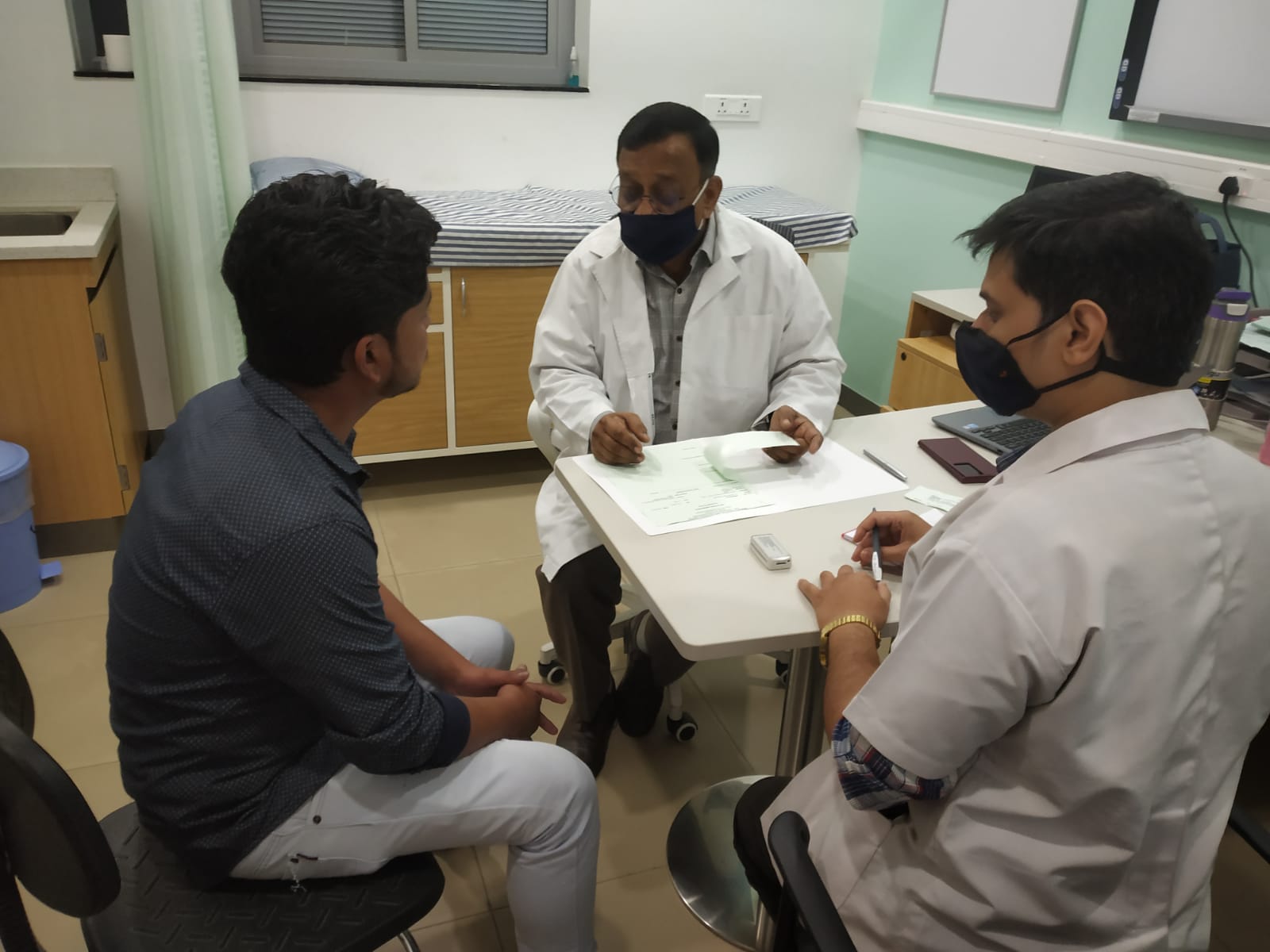
Scope of Services
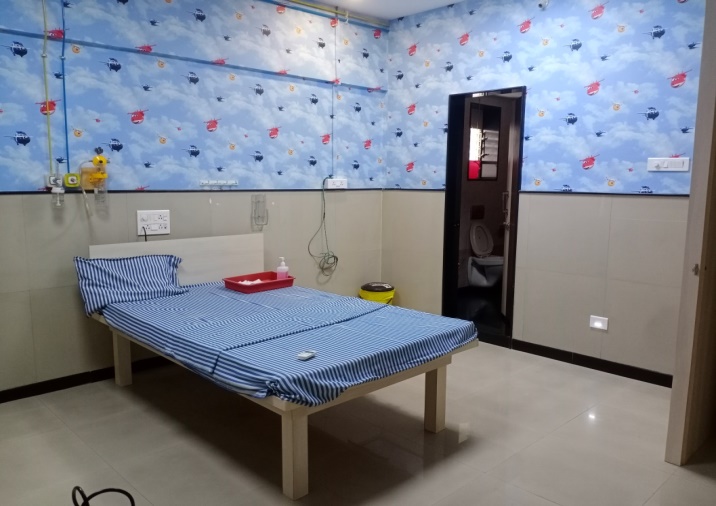
Outpatient & Specialty Clinics
- Stroke Clinic
- Headache Clinic
- Epilepsy Clinic
- Multiple Sclerosis & Demyelinating Disorders Clinic
- Dementia and Memory Disorders Clinic
- Neuromuscular Disorder Clinic
Neurological Conditions Treated
- Stroke and cerebrovascular diseases
- Epilepsy and seizure disorders
- Parkinson’s disease and movement disorders
- Alzheimer’s disease and dementia
- Headaches and migraines
- Peripheral neuropathy and myopathy
- Multiple sclerosis, GBS, CIDP
- Sleep disorders and neuromuscular junction disorders
Interventional Neurology & Advanced Therapies
- Botulinum toxin therapy for dystonia, spasticity, writer’s cramp
- Nerve and muscle biopsies
- Neuro-rehabilitation referrals with speech, physio, and occupational therapy
Infrastructure & Diagnostics
- Electroencephalography (EEG)
- Nerve Conduction Studies (NCV)
- Electromyography (EMG)
- Evoked Potential Testing
- Botulinum Toxin Injection Unit
- Sleep Study (Polysomnography)
- Future Expansion: Autonomic Function Testing
Neurology Team
Brig. Dr. S.P. Gorthi (HOD)
Consultant Neurologist
Dr. Awanti Biniwale
Consultant Neurologist
Dr. Dulari Gupta
Consultant Neurologist
Dr. Suyog Doshi
Consultant Neurologist
Dr. Sumit Kharat
Consultant Neurologist
Dr. Chetna Patil
Consultant Neurologist
FAQ's
When should I consult a neurologist?
You should seek a neurologist’s opinion for symptoms like headaches, seizures, numbness, tremors, memory loss, weakness, or balance issues.
What’s the difference between a neurologist and neurosurgeon?
A neurologist treats brain and nerve disorders medically, while a neurosurgeon performs surgical procedures like removing tumors or managing head injuries.
Are neurological diseases treatable?
Yes, most are treatable or manageable with medications, lifestyle changes, or therapies. Early diagnosis leads to better outcomes.
What is a stroke and how do I identify it?
Stroke is a sudden blockage or rupture in brain blood vessels. Signs include facial asymmetry, weakness on one side, slurred speech, and imbalance. Think F.A.S.T. – Face, Arms, Speech, Time.
What are common neurological disorders?
Common conditions include epilepsy, migraine, Parkinson’s disease, stroke, dementia, multiple sclerosis, neuropathies, and sleep disorders.